
Malaysia Airlines Orders Boeing 787 Dreamliners to Modernize Fleet
The airline's shift from Airbus A350s to Boeing 787s is part of a broader modernization strategy.
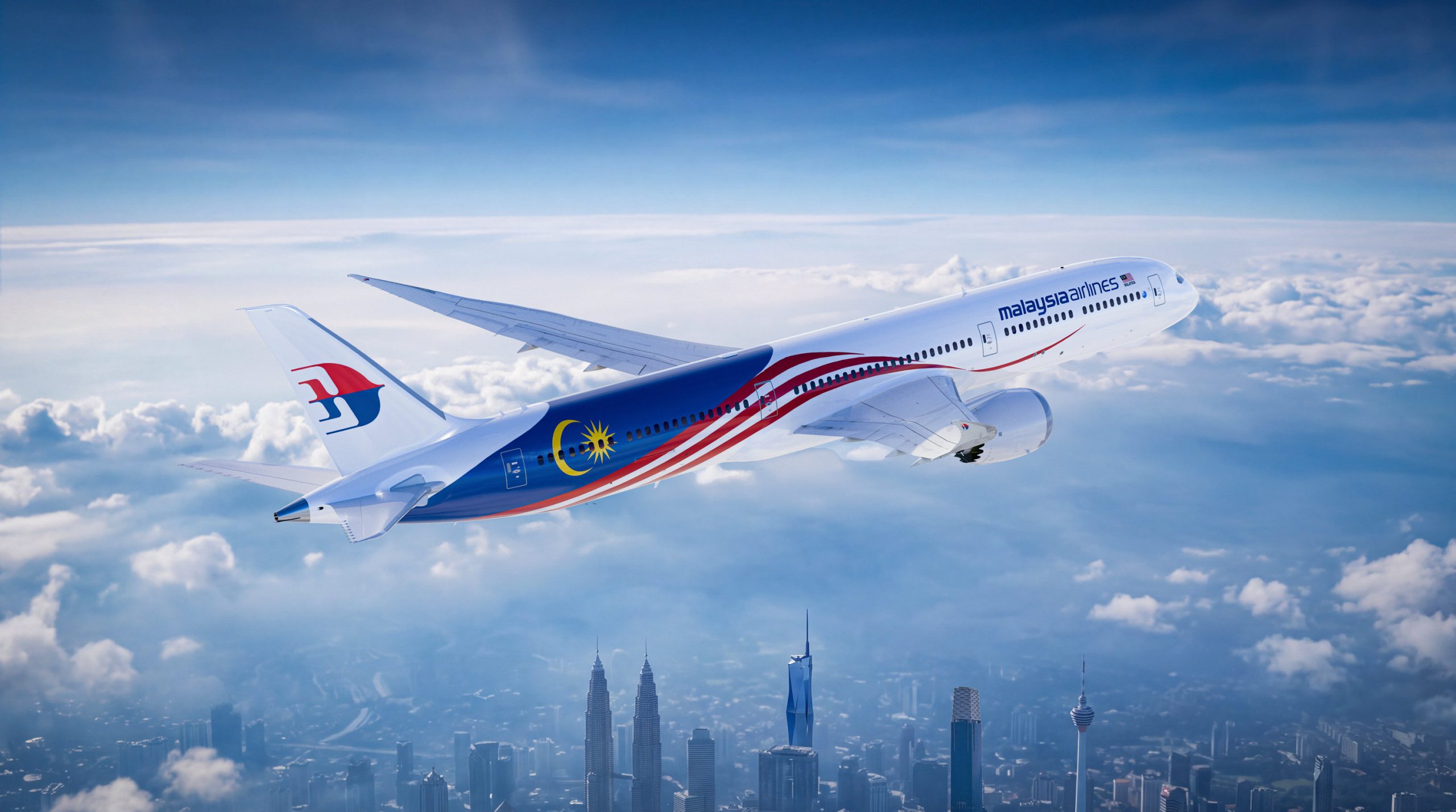
Malaysia Airlines Announces Fleet Modernization
In a significant move for the aviation industry, Malaysia Airlines has announced a deal to acquire ten Boeing 787 Dreamliners. This decision is part of a long-term strategy to modernize its fleet, which includes phasing out its existing Airbus A350 aircraft. The announcement was made by the parent company, Malaysia Aviation Group (MAG), and reflects the airline's commitment to enhancing its service capabilities and operational efficiency.
Financial Commitment and Future Plans
According to reports from Malay Mail, the total book value for the planned fleet of sixteen Dreamliners — which includes options for an additional six units — is estimated at USD 9.3 billion. This substantial financial commitment underscores the airline's confidence in the Boeing brand and its capabilities to meet the evolving demands of air travel. The new aircraft are expected to be delivered starting from 2032, marking a new era for Malaysia Airlines as it seeks to provide state-of-the-art technology and improved passenger experiences.
Implications for the Aviation Sector
The shift from the Airbus A350s to the Boeing 787s is not just about fleet modernization; it also indicates a strategic pivot in Malaysia Airlines' operational focus. The Boeing 787 Dreamliner is renowned for its fuel efficiency, improved aerodynamics, and advanced passenger comfort features, making it a preferred choice among airlines looking to enhance their sustainability and service quality. This decision could also reflect broader trends in the aviation industry, where airlines are increasingly prioritizing eco-friendly aircraft amid rising fuel costs and environmental concerns.
The transition may have various implications for the local aviation sector, particularly in terms of job opportunities and partnerships with suppliers and service providers associated with the new aircraft. The influx of new technology may necessitate training and upskilling of current employees, ensuring they are equipped to handle the advanced systems onboard the Dreamliners.
What to Watch Next
As the delivery of these aircraft is still several years away, airline enthusiasts and industry watchers should keep an eye on how Malaysia Airlines manages its current fleet during this transition period. It will be interesting to see how the airline balances operational needs with the upcoming changes, particularly regarding its existing routes and services.
Additionally, stakeholders will be keen to monitor the airline’s financial health as it invests heavily in its future. The success of this fleet modernization strategy will depend on various factors, including market demand, competitive positioning against other airlines in the region, and the overall recovery of the aviation industry post-pandemic.
In conclusion, Malaysia Airlines' decision to invest in Boeing 787 Dreamliners represents a significant strategic shift as it aims to modernize its fleet and enhance customer experience. With the airline looking towards a sustainable future, this move could set a precedent for other carriers in the region.
This article was prepared with AI assistance from the reports cited below and reviewed by Boda8 Media editors.
Sources
Spotted an error? Report an error.
Related Stories

Asus Malaysia Launches Year-End Promotion with Discounts Up to RM850
Asus Malaysia offers significant savings on laptops and desktops during its year-end sale.
BODA8 Newsdesk · 28 Nov 2026

iQoo 16 Series Set to Launch in Malaysia on December 8, 2026
The iQoo 16 series features two models with cutting-edge processors, pre-booking available now.
BODA8 Newsdesk · 27 Nov 2026

Honor Launches New Pad X9b Max Tablet in Malaysia
The Honor Pad X9b Max features a 13-inch display and comes with a Bluetooth keyboard and stylus.
BODA8 Newsdesk · 25 Nov 2026

iCaur Malaysia Celebrates 5,000 Units Sold with New Owners Community
iCaur Malaysia marks a significant milestone with 5,000 units sold and launches a community for owners.
BODA8 Newsdesk · 24 Nov 2026