
Ringgit Shows Mixed Performance Against Major Currencies Amid Rate Hike Concerns
The Malaysian ringgit strengthens against several currencies but struggles against the US dollar.
Overview of the Ringgit's Performance
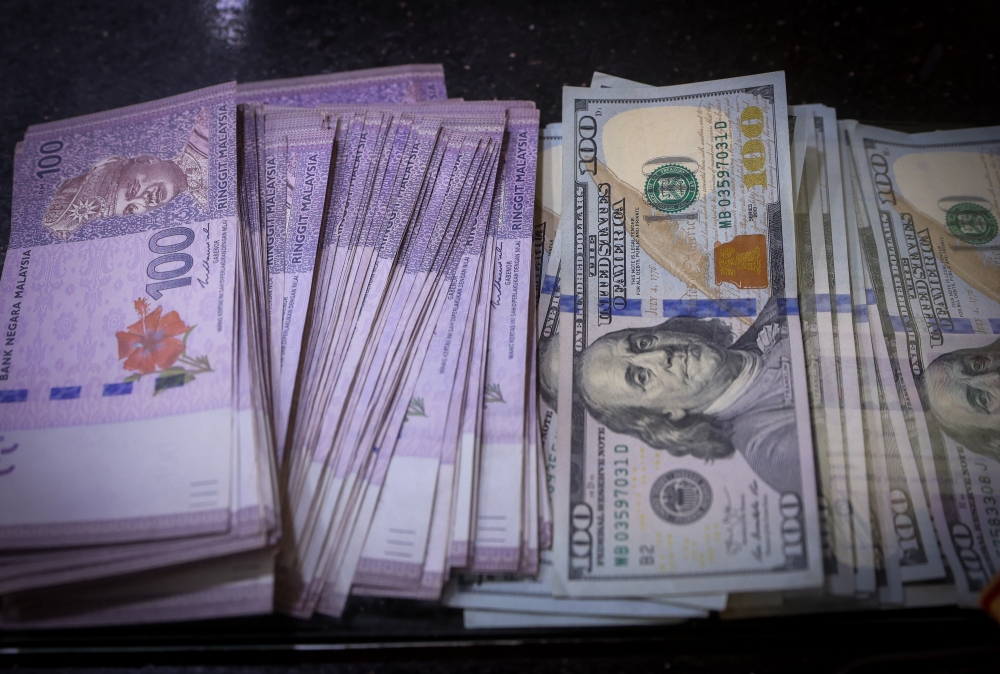
On November 11, 2026, the Malaysian ringgit displayed a mixed performance against major currencies, showing gains against the British pound, euro, and Japanese yen. However, it remained stagnant against the US dollar, raising concerns among economists and market watchers about future interest rate hikes.
As reported by Malay Mail, the ringgit opened higher against several key currencies, reflecting a positive sentiment in the foreign exchange market. This uptick against the pound, euro, and yen may signal a temporary rebound in Malaysia's economic standing relative to these economies. Yet, the flat performance against the US dollar indicates ongoing uncertainty surrounding Malaysia's monetary policy.
Factors Influencing the Ringgit
The primary factor contributing to the ringgit's fluctuating performance is the anticipation of potential interest rate hikes by the US Federal Reserve. As the US economy shows signs of strength, the possibility of higher interest rates could lead to a stronger dollar, which often puts pressure on emerging market currencies like the ringgit. A stronger dollar can make imports more expensive for Malaysia and increase the cost of servicing foreign debt, which is particularly concerning for businesses and consumers alike.
In contrast, the ringgit's strength against other major currencies may provide some relief. For Malaysian consumers and businesses engaged in international trade, this could mean more favorable exchange rates when dealing with transactions in euros, pounds, or yen. However, the overall economic environment remains sensitive to global market trends and domestic economic indicators.
Implications for Malaysians
For the average Malaysian, fluctuations in the ringgit can have a direct impact on purchasing power. A stronger ringgit against the pound and euro could mean cheaper imports, particularly for goods and services from Europe, which may benefit consumers. Conversely, the ringgit's weakness against the US dollar could lead to higher prices for imported goods from the United States, affecting everything from electronics to food products.
As the economic landscape evolves, it will be essential for Malaysians to remain informed about currency trends and their implications. Businesses reliant on imports may need to adjust their pricing strategies to account for fluctuations in currency exchange rates.
What to Watch Next
Moving forward, market participants should closely monitor announcements from the US Federal Reserve regarding interest rate decisions, as these will likely influence the dollar's strength and, consequently, the ringgit's performance. Additionally, local economic indicators, such as inflation rates and GDP growth, will also play a vital role in shaping the ringgit's trajectory.
In summary, while the ringgit has shown resilience against certain currencies, the ongoing challenges posed by the US dollar's strength and potential interest rate hikes signal a cautious outlook for the Malaysian economy. Malaysians should stay vigilant and informed about these developments to navigate the implications effectively.
This article was prepared with AI assistance from the reports cited below and reviewed by Boda8 Media editors.
Sources
Spotted an error? Report an error.
Related Stories

JPMorgan, Visa, Mastercard Affected by Cyberattack on Supplier
Cyberattack on a subcontractor compromises customer data, but no financial information lost.
BODA8 Newsdesk · 20 Nov 2026
AMD Shares Decline Amid Allegations of Export Restrictions Breach
AMD's stock drops following claims that its chips were used by a blacklisted Chinese company.
BODA8 Newsdesk · 20 Nov 2026
Federal Reserve Signals Likely Interest Rate Hikes Amid Economic Outlook
US Federal Reserve policymakers anticipate further interest rate increases based on inflation and employment trends.
BODA8 Newsdesk · 19 Nov 2026

Jensen Huang Expresses Desire to Return as Nvidia CEO
Huang states he would be honored to reclaim his position if deemed best for the company.
BODA8 Newsdesk · 18 Nov 2026