
ECB Maintains Interest Rate Amid Concerns Over French Debt
Despite rising inflation linked to the Iran war, the ECB holds steady on rates, hinting at hikes in December.
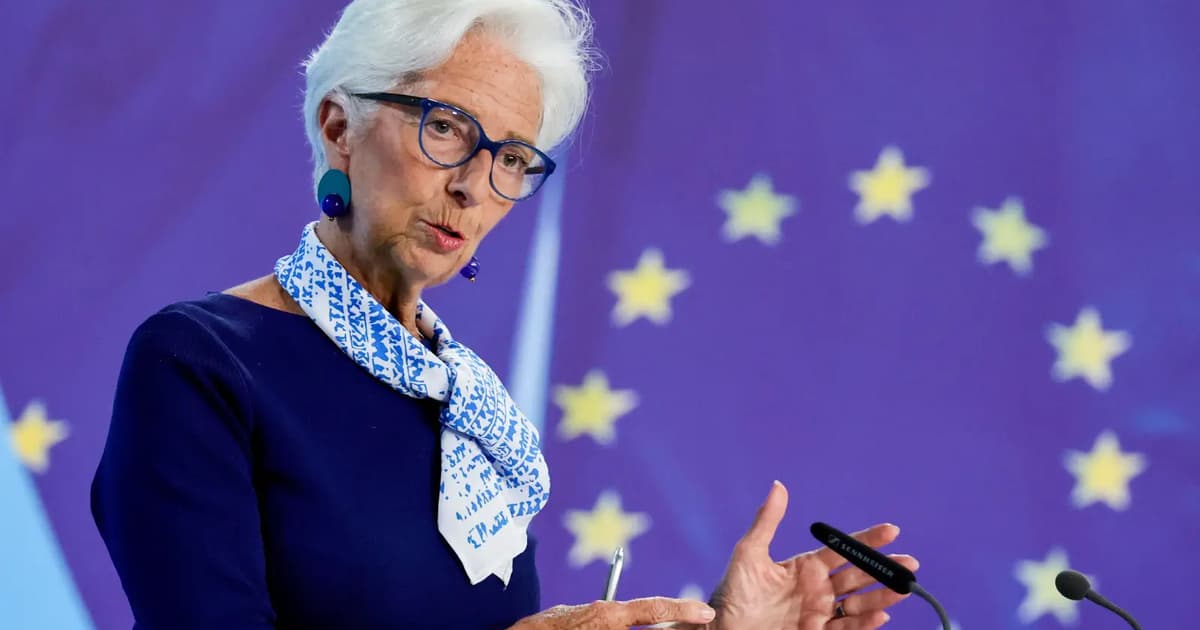
ECB's Decision to Hold Rates Steady
In a recent statement, the European Central Bank (ECB) announced that it has decided to maintain its benchmark interest rate, a move that comes despite increasing inflationary pressures attributed to the ongoing conflict in Iran. This decision has significant implications for the economic landscape in Europe and beyond, especially as concerns about rising debt in France have also surfaced.
The ECB's stance shows a careful balance between managing inflation and supporting economic stability. By keeping interest rates on hold for now, the central bank aims to avoid further destabilizing the markets, which have shown signs of anxiety regarding France's debt situation. However, the ECB has indicated that it is prepared to implement another rate hike as early as December if the economic conditions warrant such action. This potential adjustment reflects a proactive approach in navigating the complexities of the current economic climate.
Implications for the Eurozone and Beyond
The ECB's decision is particularly noteworthy given the broader context of rising inflation across Europe. The war in Iran has not only affected geopolitical dynamics but has also had a tangible impact on global supply chains and energy prices, exacerbating inflationary trends. As prices continue to rise, consumers and businesses alike are feeling the pinch, making the ECB's actions pivotal for economic growth and stability in the Eurozone.
For countries within the Eurozone, particularly those with high debt levels like France, the ECB's management of interest rates will play a crucial role in shaping fiscal policies and economic recovery strategies. A rise in interest rates could lead to higher borrowing costs, affecting both government spending and private investment. This situation necessitates careful monitoring as nations navigate their recovery from the economic fallout of the pandemic and external shocks like the Iran conflict.
What to Watch Next
As the situation evolves, Malaysian readers and investors should keep an eye on how these developments might influence global markets and, subsequently, the Malaysian economy. Malaysia has strong trade ties with Europe, and fluctuations in the Eurozone's economic health can ripple through to Southeast Asia. Any significant changes in ECB policy could impact the Malaysian ringgit, trade balances, and investment flows.
Moreover, as the ECB prepares for possible adjustments in December, it invites scrutiny from global investors and analysts regarding how these decisions will align with ongoing inflation trends and the economic recovery trajectory post-pandemic. Staying informed on these developments will be crucial for understanding the potential impacts on Malaysia’s economic landscape.
This article was prepared with AI assistance from the reports cited below and reviewed by BODA8 Media / BODA News editors.
Sources
- ECB says has tools to calm markets as French debt worries rise — Free Malaysia Today
Spotted an error? Report an error.
Related Stories

JPMorgan, Visa, Mastercard Affected by Cyberattack on Supplier
Cyberattack on a subcontractor compromises customer data, but no financial information lost.
BODA8 Newsdesk · 20 Nov 2026

AMD Shares Decline Amid Allegations of Export Restrictions Breach
AMD's stock drops following claims that its chips were used by a blacklisted Chinese company.
BODA8 Newsdesk · 20 Nov 2026
Federal Reserve Signals Likely Interest Rate Hikes Amid Economic Outlook
US Federal Reserve policymakers anticipate further interest rate increases based on inflation and employment trends.
BODA8 Newsdesk · 19 Nov 2026

Jensen Huang Expresses Desire to Return as Nvidia CEO
Huang states he would be honored to reclaim his position if deemed best for the company.
BODA8 Newsdesk · 18 Nov 2026